
Cost Savings Strategies for Modern Commercial Construction Projects
Managing expenses in commercial construction requires a strategic approach that addresses every phase of development. From site preparation and core structural work to tax planning and ongoing operational oversight, controlling expenditures without sacrificing building quality or project safety is paramount. Commercial developers, project managers, and property owners face constant pressure from rising material costs, labor shortages, and shifting regulatory demands. Achieving financial efficiency demands an integrated blueprint that optimizes both physical construction operations and administrative overhead.
By evaluating financial decisions through a holistic lens, development teams can uncover substantial cost-saving opportunities. Implementing modern planning methodologies, adopting lean waste management practices, and leveraging specialized operational resources allow commercial projects to run efficiently and predictably. Exploring targeted strategies across pre-construction planning, site execution, material stewardship, specialized subcontracting, and financial administration reveals how commercial developers can successfully protect project profit margins while building high-performance structures.
Smart Pre-Construction and Financial Oversight

Early Collaboration and Integrated Project Delivery
Traditional project delivery methods often create friction between design teams and operational contractors. When architects create plans without continuous input from construction teams, designs frequently undergo costly revisions later. Adopting an integrated project delivery framework brings key stakeholders together during the conceptual phase. This collaborative alignment ensures that architectural vision directly reflects practical, cost-effective buildability.
- Bringing trade leads into initial design sessions eliminates costly spatial conflicts before construction.
- Standardizing wall dimensions and floor plates reduces customized cuts and material off-fall on site.
- Early feasibility reviews identify alternative materials that match design intent at lower unit costs.
Early engagement allows project managers to identify potential structural challenges before field operations begin. Selecting local commercial contractors during early development helps ground estimates in realistic regional material prices and labor market dynamics. These early partnerships establish clear accountability, minimize downstream friction, and prevent expensive redesigns during active construction.
Tax Structuring and Strategic Financial Management
Strategic cost control extends beyond physical jobsites into financial and accounting frameworks. Large commercial projects often involve complex infrastructure, site development, and environmental preparation that carry specific tax implications. Proper classification of development expenditures can significantly improve immediate cash flow and overall project yield.
- Accounting for specialized structural preparations under rapid cost segregation rules maximizes early deductions.
- Auditing energy-efficiency designs unlocks federal and state tax credits for commercial buildouts.
- Segregating land development overhead from vertical construction expenses streamlines long-term asset valuation.
Certain specialized preparation expenses, including qualifying infrastructure expenditures and sub-surface site assessments, can be categorized under specific accounting provisions such as intangible drilling costs when projects involve deep geothermal systems or complex utility infrastructure. Working closely with certified development accountants ensures that every tax incentive, accelerated depreciation schedule, and site preparation allowance is fully leveraged to reduce the total capital required for development.
Optimizing Workforce Structure with Administrative Partners
Labor represents one of the largest variable expenses in modern commercial building projects. Managing internal administrative burdens, workers compensation coverage, payroll processing, and regulatory compliance internally can strain project overhead. Relying entirely on direct hiring without strategic human resource frameworks often leads to administrative inefficiency and unnecessary liability exposure.
- Outsourcing compliance reduces administrative liability and avoids expensive regulatory non-compliance penalties.
- Consolidated benefits programs help attract qualified trade talent without incurring top-tier corporate overhead.
- Scalable human resource frameworks allow rapid adjustments to staffing levels as project phases evolve.
To streamline labor overhead and maintain strict compliance, commercial developers frequently partner with professional employer organizations. Utilizing peo services helps commercial builders consolidate payroll administration, secure competitive group health and safety insurance rates, and minimize compliance risks. This operational shift allows construction management teams to focus on field operations while maintaining a flexible, cost-effective labor force.
Efficient Site Preparation and Heavy Equipment Operations
Streamlining Earthmoving and Material Handling Transport
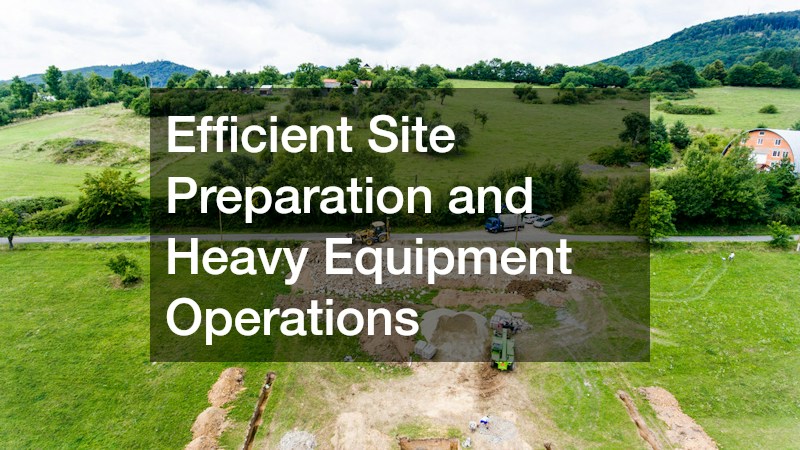
Site clearing, excavation, and foundational grading set the baseline trajectory for the entire construction timeline. Inefficient material handling during initial site preparation creates bottlenecks that disrupt subsequent construction phases. Selecting the correct fleet size and transport equipment ensures continuous site workflow without overspending on unused machinery.
- Telematics monitoring on earthmoving fleets tracks real-time fuel consumption and eliminates engine idling.
- Staging material drop zones near site entrances minimizes interior site haul distances for heavy equipment.
- Coordinating soil balances between cut and fill zones eliminates unnecessary off-site soil removal expenses.
To optimize site logistics, construction managers must match equipment capacity to daily excavation goals. Partnering with reliable logistics providers to supply dump trucks ensures continuous removal of soil, rock, and debris without causing idle time for heavy excavators. Precise scheduling of transport vehicles lowers fuel burn, prevents jobsite congestion, and keeps early site work strictly on budget.
Precise Demolition Execution and Asset Recovery
When development occurs on brownfield sites or previously developed parcels, removing existing structures represents a significant initial cost. Unplanned clearance work can easily result in unexpected delays and budget overruns if structural components are improperly handled. Strategic site clearance requires controlled execution and careful separation of recoverable building materials.
- Selective interior soft demolition preserves valuable architectural features and mechanical assets for resale.
- Crushing clean concrete rubble on site generates low-cost aggregate for sub-base roadway stabilization.
- Pre-demolition environmental surveys identify hazardous substances early to prevent costly project shutdowns.
Engaging experienced demolition services enables project managers to execute structural removals safely while maximizing asset recovery. Strategic contractors systematically sort scrap metals, high-value fixtures, and crushed masonry on site before disposal. Salvaging reusable materials offsets baseline clearance expenses, reduces landfill tipping fees, and aligns the overall project with sustainable commercial building practices.
Precision Modification and Structural Core Drilling
Modifying existing concrete structures or preparing newly poured concrete slabs for mechanical, electrical, and plumbing installations requires surgical accuracy. Traditional cutting or breaking methods often cause micro-fracturing, damage adjacent structural elements, or require extensive cosmetic repairs that increase project costs.
- Ground-penetrating radar scanning prior to drilling prevents costly damage to embedded rebar and tension cables.
- Precision diamond-tipped core bits produce clean circular penetrations requiring zero secondary patch work.
- Scheduled bulk penetrations allow utility trades to run pipe networks without waiting for concrete modifications.
Utilizing specialized core drilling techniques guarantees clean openings for utility conduits, HVAC piping, and drainage systems without compromising structural integrity. Standardizing concrete coring services throughout the structural build phase prevents unnecessary concrete repair work and ensures subcontractors install vital utilities quickly and cleanly.
Material Management and Sustainable Waste Reduction
Streamlined Procurement for Core Structural Supplies
Material costs constitute a major portion of any commercial construction budget. Spikes in raw material pricing can severely erode profit margins if procurement strategy relies on ad-hoc purchasing during active building phases. Consolidate material orders early and establish direct relationships with primary manufacturers or regional distributor networks to secure wholesale pricing.
- Bulk purchasing agreements across multiple project phases lock in unit pricing and buffer market swings.
- Just-in-time delivery coordination prevents site damage and moisture exposure to sensitive materials.
- Standardizing specifications across electrical gear reduces inventory complexity and speeds installation.
Electrical infrastructure requires significant upfront capital for wiring, conduit, switchgear, and panelboards. Aggregating procurement demands across major phases allows builders to secure competitive pricing on essential electric supplies while locking in long-term delivery schedules. Establishing steady supply lines avoids emergency purchases at retail markups and protects the baseline project budget from unexpected market volatility.
Tactical On-Site Waste Sorting and Disposal Logistics
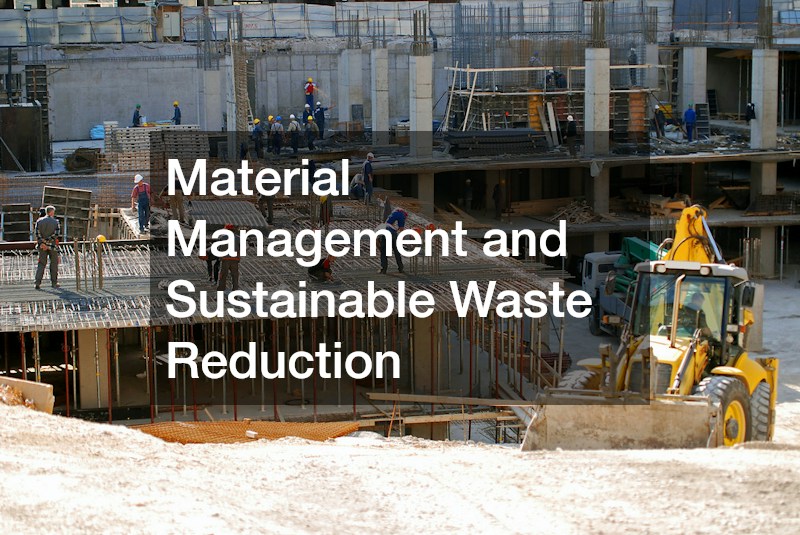
Uncontrolled jobsite waste creates safety hazards, restricts operational space, and significantly inflates waste management expenses. When mixed construction debris is sent directly to landfills, projects incur maximum weight charges and high tipping fees. Structuring jobsite cleanup routines around systematically segregated waste containment yields direct operational savings.
- Dedicated recycling bays for drywall, scrap metal, and cardboard lower bulk disposal charges.
- Mandatory daily work-area cleanup routines preserve clear walking pathways and reduce slip-and-fall claims.
- Sizing containment containers to fit specific trade debris prevents paying for partially empty hauls.
Placing strategically designated roll off dumpsters near active work zones encourages sub-contractors to separate scrap drywall, metal, masonry, and packaging materials at the source. Clear signage and disciplined disposal practices lower hauling frequencies and reduce total landfill weight charges. Strategic container placement keeps walkways clear, reduces jobsite accidents, and maintains an orderly work environment.
Operational Recycling for Precious Catalyst Materials
Commercial projects involving heavy industrial facilities, chemical processing plants, or specialized energy installations often utilize process catalysts in their mechanical systems. When retrofitting or upgrading these facilities, handling and disposing of spent catalytic components can present significant environmental and financial challenges.
- Detailed precious metal sampling determines exact market valuation before industrial unit decommissioning.
- Closed-loop reclamation procedures prevent hazardous material exposure and ensure regulatory compliance.
- Refining returns directly credit project accounts, providing immediate capital for ongoing facility upgrades.
Rather than treating exhausted components as hazardous waste liabilities, project managers can reclaim significant residual value through dedicated reclamation programs. Partnering with specialists in catalyst recycling allows facilities to recover precious metals like platinum, palladium, and nickel. Reclaiming valuable metals offsets facility upgrade costs while ensuring strict compliance with national environmental regulations.
Sustainable Timber Management and Pallet Salvage Operations
Massive quantities of raw building materials, structural components, and MEP equipment arrive on site secured to timber pallets and wooden skids. Frequently, these heavy wooden bases are discarded into general construction waste bins, consuming valuable container volume and driving up disposal weight costs.
- Reusing sturdy pallets for internal jobsite material staging reduces secondary equipment rental costs.
- Partnering with local pallet vendors yields scheduled pickups that clear floor space without labor expenditures.
- Diverting clean wood debris into mulching streams helps complete green building certification points.
Establishing dedicated timber salvage protocols turns incoming packaging waste into a stream of cost savings. Implementing wood pallet recycling initiatives allows jobsites to divert bulky wooden skids away from main waste streams. Recycling partners frequently provide drop-off containers or free site pickup for intact pallets, eliminating hauling fees and generating environmental compliance credits for green building certifications.
Modern Digital Tools and Advanced Site Operations
Building Information Modeling and Virtual Construction
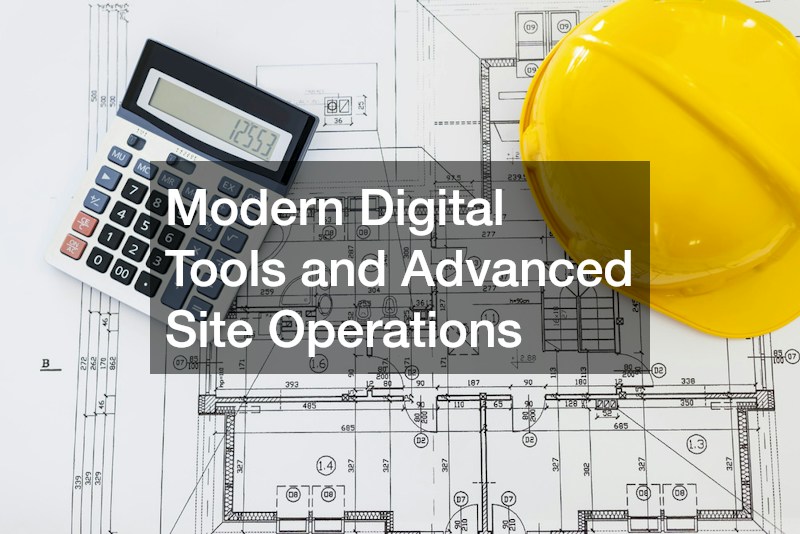
Adopting advanced digital modeling before ground breaking transforms how commercial buildouts are planned and executed. Virtual construction models allow engineering teams to build structures digitally, identifying spatial interferences across complex building systems long before crews arrive on site.
- Spatial clash detection identifies conflicts between plumbing runs and structural steel prior to fabrication.
- Digital prefabrication models enable off-site framing assembly, reducing expensive field labor hours.
- Automated material takeoffs eliminate human error in quantity estimation, preventing costly material overorders.
Integrating three-dimensional building models directly into daily field routines improves trade coordination. When field supervisors reference cloud-updated digital blueprints on tablet computers, layout errors decrease drastically. Eliminating rework protects the master schedule, cuts material scrap, and preserves contingency capital for unforeseen site conditions.
Technology-Driven Asset Tracking and Equipment Utilization
Equipment rental fees and idle machinery on commercial jobsites represent quiet profit leaks that erode baseline budgets. Without real-time visibility into asset location and operating status, project managers frequently re-order duplicate tools or keep heavy machinery parked on site long after primary tasks are finished.
- Bluetooth equipment tags track hand tool locations, drastically lowering jobsite theft and replacement costs.
- Telematics dashboards monitor heavy machine run-times to prevent unnecessary daily standby rental fees.
- Automated maintenance alerts ensure rental equipment is serviced promptly, avoiding costly downtime.
Implementing digital asset tracking across the jobsite ensures every piece of equipment generates maximum value while active. By monitoring machine performance and location, superintendents can return rented machinery the moment tasks wrap up. Active fleet management ensures capital stays focused on productive building activities rather than idle equipment overhead.
Lean Operations and Just-In-Time Field Delivery
Storing bulk construction materials on active job sites exposes valuable assets to weather damage, vandalism, and logistical congestion. Lean construction methodologies emphasize delivering raw supplies directly to installation zones exactly when needed, eliminating double-handling and jobsite clutter.
- Staggered deliveries keep interior staging areas clear, enabling smooth trade movement across floors.
- Weatherproof material delivery pods protect high-value finish products from moisture exposure.
- Micro-scheduling material deliveries reduces morning traffic congestion around busy urban building sites.
Adopting lean material logistics transforms chaotic jobsites into efficient assembly environments. When subcontractors receive materials pre-sorted by floor or room zone, installation speed increases noticeably. Eliminating the hours traditionally spent searching for lost supplies or moving heavy pallets out of walkways lowers unit labor costs and accelerates phase completions.
Long-Term Value Creation and Operational Excellence
Strategic cost reduction in modern commercial construction relies on viewing every project phase as an opportunity for optimization. By combining precise pre-construction financial planning with disciplined field operations and aggressive waste recovery, commercial developers can substantially lower overall costs without sacrificing structural quality or project safety. Achieving capital efficiency is an active, continuous process that requires close coordination between owners, primary contractors, specialized vendors, and administrative partners. Implementing these operational principles ensures commercial projects remain resilient, highly sustainable, and profitable in a competitive market.