
Essential Contractors You Need for Historic Building Renovations
Transforming a historic property into a functional, modern space is an extremely rewarding venture, but it stands as one of the most complex projects a property developer, business owner, or preservationist can undertake. Unlike modern new construction, where workers begin with a blank slate, historic renovations require a delicate, ongoing dance between preserving architectural integrity and integrating completely overhauled, code-compliant infrastructure. The stakes are incredibly high. A single misstep can permanently damage irreplaceable historic fabric, trigger steep fines from local landmark commissions, or lead to catastrophic budget overruns.
1. Site Evaluation and Subsurface Assessment

Before any structural or cosmetic work can begin on an older property, the site must be thoroughly evaluated, stabilized, and secured. The ground beneath a historic building holds centuries of secrets, from forgotten utility lines to shifting soil compositions that can jeopardize the stability of ancient masonry. Historic foundations—often constructed from rubble stone, brick, or unreinforced concrete—are notoriously fragile. They require specialized care to prevent shifting, cracking, or settling during the impending construction process.
To ensure subsurface safety and prevent catastrophic movement, property owners must implement a rigorous site evaluation strategy.
-
Conduct Advanced Ground Penetrating Radar Scanning: Before bringing any heavy equipment onto the property, utilize radar scanning to locate ancient utility lines, old cisterns, forgotten structural footings, or historical artifacts hidden beneath the surface.
-
Establish Structural Vibration Monitoring: Older masonry and lime mortar can easily crack under the stress of nearby vibrations. Install electronic vibration sensors on the building’s lowest walls to ensure safety thresholds are never exceeded during construction.
-
Partner with Earthworks Specialists: Traditional heavy-duty machinery can shock older soil structures and cause immediate foundation settling. It is vital to work with an excavating company that specializes in precision digging, underpinning, and low-impact soil stabilization around sensitive historic structures.
2. Protecting the Landscape and Perimeter
The exterior environment of a historic building is just as crucial to its heritage and value as the walls themselves. Mature trees, established root systems, and historic pathways define the property’s curb appeal and contribute to the local ecosystem. During a major renovation, the perimeter becomes a high-risk zone. Heavy foot traffic, staging areas for building materials, and large machinery can easily damage the surrounding landscape or create safety hazards that threaten the building’s exterior envelope.
Managing the perimeter requires a proactive approach to tree preservation and site clearing to ensure a safe, efficient workspace for incoming contractors.
-
Map Out Tree Protection Zones: Establish sturdy fencing around the critical root zones of all mature trees on the property to prevent soil compaction from heavy machinery and vehicles.
-
Eliminate Overhead Hazards: Overhanging branches pose a massive risk to fragile historic brickwork, chimneys, and roofing during high winds or crane operations. Engage a professional tree trimming company to carefully prune mature trees, clearing a safe workspace while preserving the property’s natural aesthetic.
-
Safeguard Historic Hardscaping: Cover original brick pathways and stone retaining walls with thick plywood and protective matting to prevent cracking under the weight of construction traffic.
3. Fortifying the Structural Overhead
A historic building cannot be modernized on the inside until it is completely watertight and weatherproofed on the outside. Water infiltration is the absolute number one enemy of preservation, making the restoration of the roof and upper structural elements a top priority. Roof lines on older buildings often feature intricate custom carpentry, unique slate or clay tile configurations, and complex flashing systems that require a high level of specialized craftsmanship to repair.
When dealing with a compromised overhead structure, developers must focus on preserving original profiles while introducing modern weatherproofing technology.
-
Source Authentically Styled Materials: When repairing or replacing roofing elements, ensure your contractors source materials that match the original composition, color, and texture, whether that means finding salvaged slate or utilizing high-quality reproduction tiles.
-
Inspect the Underlying Timber Framing: Older roof structures often suffer from rafter rot or sagging due to decades of minor leaks. Reinforce the internal timber framework before applying new exterior layers.
-
Partner with Specialized Craftsmen: To ensure the long-term integrity of your overhead structure, collaborate with a local roofing company experienced in historic preservation. They can meticulously repair hidden leaks, replace damaged flashing, and reinforce structural timber without altering the visible, historically significant roofline.
4. Maximizing Thermal Efficiency and Windows

Windows are often referred to as the eyes of a building, and in historic structures, they represent a massive portion of the property’s architectural character. However, original single-pane windows are also notorious for poor thermal efficiency, drafts, and energy loss. Property owners are frequently torn between the desire to lower utility costs and the strict requirement to preserve original exterior woodwork and glass.
Balancing energy code requirements with strict historical preservation guidelines requires innovative retrofitting strategies rather than wholesale replacement.
-
Audit Existing Window Frames for Rot: Thoroughly inspect every wooden frame and sill for signs of rot or insect damage, utilizing epoxy stabilization techniques to repair original wood whenever possible.
-
Implement Interior Storm Window Solutions: To improve insulation without altering the building’s exterior appearance, install low-profile, magnetically sealed interior storm windows that provide double-pane efficiency.
-
Consult with Window Restorers: To successfully navigate this balance, hire a specialized window company that can retrofit existing frames with historically accurate glass, repair original weights and pulleys, or build custom interior storm frames that boost energy efficiency while keeping the exterior perfectly intact.
5. Managing Subsurface Plumbing and Infrastructure
Bringing a historic property up to modern building codes requires a complete overhaul of its underlying utility networks. The plumbing systems found in older buildings are frequently a patchwork of outdated materials, including corroded galvanized iron, fragile lead, or cracked clay pipes. Before any new interior fixtures can be connected, the main waste lines beneath the building must be thoroughly inspected, cleared, and modernized to handle increased usage.
Ensuring proper baseline flow and preventing catastrophic backups during or after construction requires advanced diagnostic and clearing techniques.
-
Perform Comprehensive Video Pipe Inspections: Run high-definition diagnostic cameras through the main waste lines to locate hidden structural collapses, severe root intrusions, or belly-shaped sags in the old piping.
-
Select Non-Invasive Pipe Rehabilitation Methods: Whenever possible, utilize trenchless pipe lining or epoxy coatings to restore the interior of old pipes without digging up historic floors or foundations.
-
Clear Decades of Accumulation: Older main lines frequently collapse or become choked with debris. It is highly beneficial to hire an expert sewer cleaning company to clear out the primary waste lines, ensuring that the building’s subterranean infrastructure can safely support modern commercial or residential water volumes.
6. Modernizing Interior Climate Control
Traditional heating, ventilation, and air conditioning systems are incredibly difficult to integrate into historic buildings. Older structures were built long before central air conditioning existed, meaning they lack the deep wall cavities, dropped ceilings, and utility chases required to run massive modern ductwork. Tearing open historic plaster walls or lowering high ceilings to accommodate standard HVAC systems will instantly ruin the building’s architectural integrity and historical value.
Modernizing climate control requires innovative engineering that prioritizes minimal physical and visual disruption to the historic fabric.
-
Explore Ductless and High-Velocity Alternatives: Consider utilizing variable refrigerant flow systems or high-velocity mini-ducts, which use small, flexible tubes that can snake through existing wall cavities and floor joists with minimal cutting.
-
Strategically Route Necessary Ducts: Run any required ductwork through secondary spaces like closets, unused chimneys, basements, or pantries to keep them hidden from primary viewing areas.
-
Partner with Specialized Mechanical Engineers: Consult a professional HVAC company to design a custom, high-efficiency system that hidden away within the existing layout, ensuring modern comfort without sacrificing original ceiling heights or ornamental plasterwork.
7. Optimizing Secondary Interior Drainage
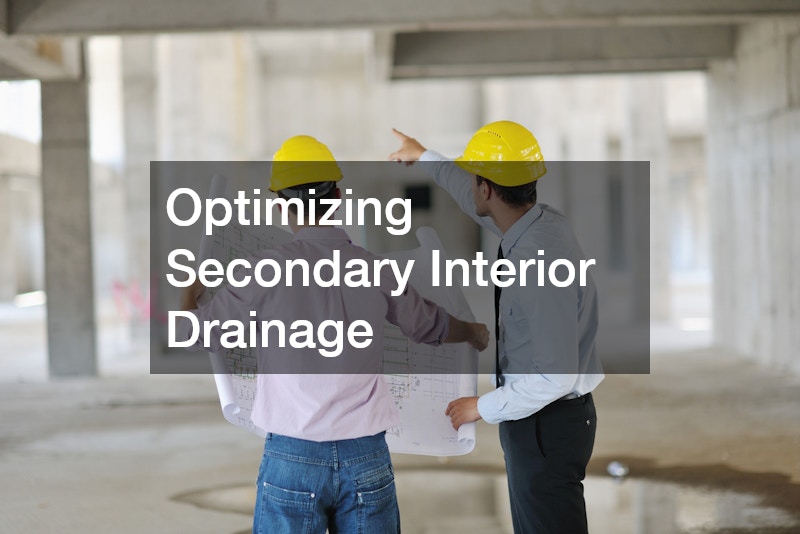
Once the main sewer line is secure and the climate control strategy is established, attention must turn to the secondary interior plumbing lines. Historic buildings often feature vertical stack pipes made of cast iron that suffer from internal scale buildup, rust, and narrowing over decades of use. If these secondary lines are ignored during the rough-in phase of construction, the property will likely suffer from slow drains, leaks, and water damage shortly after occupancy.
Achieving optimal interior drainage requires systematic cleaning and descaling of all internal branches before closing up walls and ceilings.
-
Descale Cast Iron Piping: Utilize mechanical descaling tools to remove internal rust and scale from original cast iron stacks, restoring their original internal diameter.
-
Test System Pressure and Flow: Conduct hydrostatic pressure tests on all original lines that are being reused to ensure there are no hidden hairline fractures or pinhole leaks.
-
Restore Interior Branch Performance: Task a commercial drain cleaning company with thoroughly scouring all secondary interior lines, guaranteeing that wastewater from sinks, toilets, and appliances flows flawlessly out of the building.
8. Designing Functional and Adaptive Interior Spaces
With the structural envelope secure and the core infrastructure completely modernized, the focus of the historic renovation shifts to the interior layout. This phase bridges the gap between old-world architectural charm and the strict ergonomic demands of modern lifestyles or businesses. The challenge lies in creating open, collaborative, and highly functional spaces while respecting the building’s original floor plan and structural partitions.
Successfully blending heritage with modern design requires a deep understanding of spatial flow, lighting, and material transitions.
-
Preserve Defining Architectural Features: Identify and preserve key interior elements, such as original fireplaces, exposed brick walls, timber columns, and decorative trim, making them focal points of the new layout.
-
Introduce Reversible Modifications: Design new partition walls and fixtures in a way that allows them to be removed in the future without causing permanent damage to the surrounding historic structure.
-
Collaborate with Adaptive Re-use Specialists: Work closely with a skilled contemporary interior design company to map out an interior space that honors the building’s historic soul while seamlessly integrating sleek modern lighting, acoustic treatments, and furniture layouts.
9. Customizing Millwork and Storage Solutions
Standard, mass-produced cabinets and storage units are completely incompatible with the uneven, settled walls of a historic building. Over decades, older buildings naturally shift, meaning floors are rarely perfectly level and walls are seldom perfectly plumb. Installing pre-fabricated cabinetry in these spaces results in awkward gaps, misaligned doors, and a cheap appearance that detracts from the craftsmanship of the rest of the property.
Achieving a high-end, seamless fit requires custom millwork that is tailored specifically to the unique contours of the historic structure.
-
Scribe Millwork to Uneven Surfaces: Ensure that all built-ins are meticulously scribed and hand-fitted to match the exact curves and slopes of the original walls and floors.
-
Match Historic Wood Species and Finishes: Select wood species, grain patterns, and stain colors that complement the existing historic trim and flooring found throughout the property.
-
Invest in Bespoke Storage Solutions: Collaborate with a premium cabinet company to build custom kitchens, bathroom vanities, and storage units that maximize every inch of irregular space while providing modern organizational functionality.
10. Replicating and Installing Architectural Artwork

The final phase of a historic renovation focuses on the ornamental details and artisanal craftsmanship that define the building’s unique personality. Over decades of neglect or poor past renovations, many original artistic elements—such as bronze door hardware, ornamental iron gates, exterior light fixtures, or metal cresting—may have been lost, stolen, or damaged beyond repair. Reconstructing these bespoke elements is essential to fully restoring the property’s historic identity.
Resurrecting lost architectural artwork requires a blend of historical research, modern technology, and traditional casting methods.
-
Utilize Three-Dimensional Scanning: Use 3D scanning technology on surviving original pieces to create highly accurate digital models for replication.
-
Choose Durable, Weather-Resistant Metals: Select metals that offer excellent longevity and develop a beautiful, natural patina over time, enhancing the building’s timeless appeal.
-
Commission Expert Foundries: For prominent exterior focal points, courtyards, or entries, collaborate with a professional local sculpture casting company to replicate missing bronze fixtures, historic plaques, or ornamental metalwork that accurately represents the building’s original era.
The secret to a flawless renovation lies in respecting the specialized expertise of your trade professionals and ensuring they operate with a unified vision. When your structural, mechanical, design, and artistic teams communicate effectively, the result is an inspiring, high-value asset. By successfully balancing preservation with modernization, you breathe new life into a piece of local history, ensuring it remains functional, beautiful, and vibrant for generations to come.